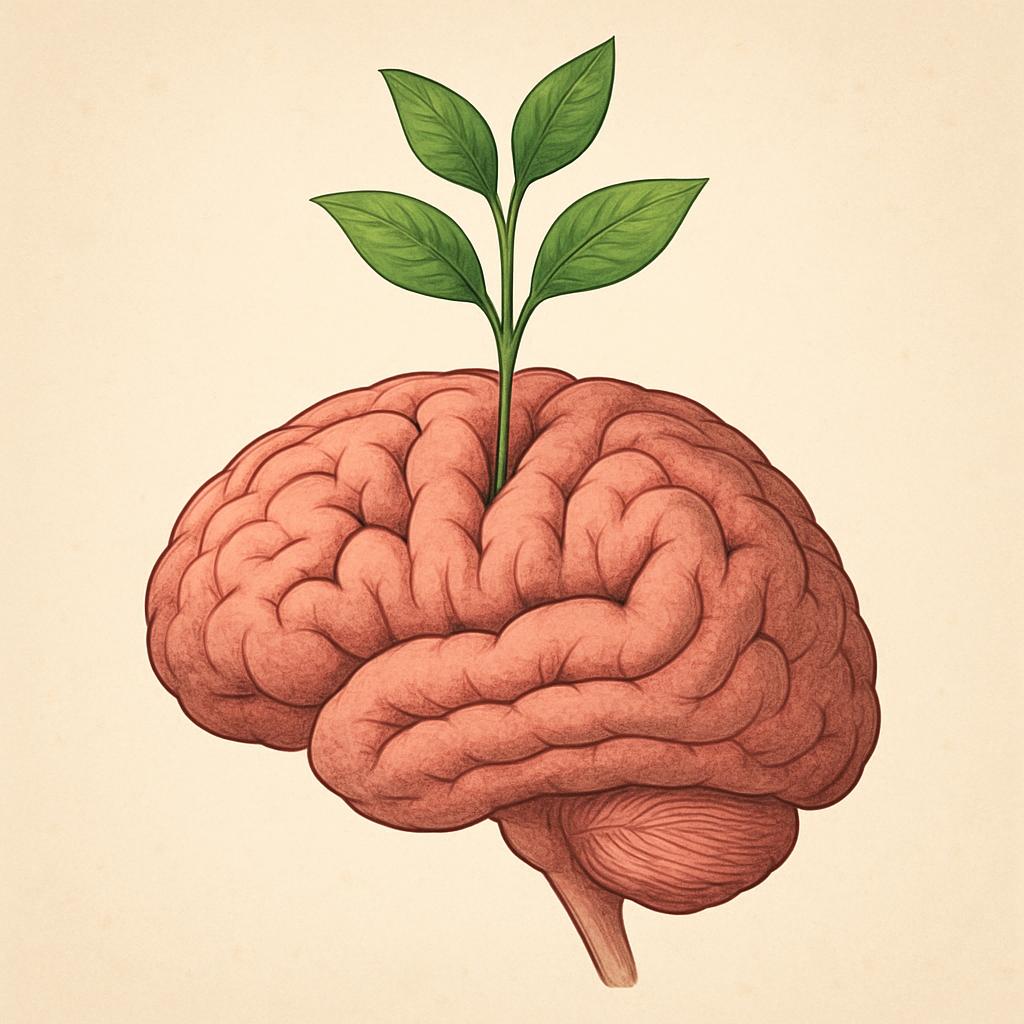
Unlock Your Brain’s Potential
In an era where cognitive abilities often dictate success, the untapped potential of your brain can become your most valuable asset. It’s not just about intelligence; it encompasses creativity, problem-solving, and the ability to learn and adapt. With recent advancements in neuroscience, we can now explore practical approaches to unlocking the brain’s full capabilities. This article delves into the methods and strategies you can apply to enhance your cognitive functioning and unleash the latent power of your mind.
Understanding Brain Neuroplasticity
What is Neuroplasticity?
Neuroplasticity is the brain’s remarkable ability to reorganize itself by forming new neural connections throughout life. This adaptability enables the brain to adjust its activities in response to new situations or changes in the environment. Understanding neuroplasticity provides the foundation for techniques that can help you optimize cognitive function.
Key Aspects of Neuroplasticity:
Experience-Dependent Plasticity: Your experiences shape your brain. Engaging in different activities, learning new skills, or even facing challenges can lead to the development of new neural pathways.
Functional Plasticity: When an area of the brain is damaged, other regions can sometimes take over and carry out the lost functions, demonstrating our brain’s resilience.
Structural Plasticity: This refers to the brain’s ability to physically change its structure based on learning and experience, emphasizing the profound impact of continual learning and adaptability.
By understanding these principles, you can leverage neuroplasticity to enhance memory, improve learning capabilities, and foster creativity.
Techniques to Enhance Cognitive Function
Lifelong Learning
Engaging in continuous education and actively seeking new information can significantly boost your brain’s potential. Here are actionable steps:- Read Regularly: Expand your knowledge and vocabulary by reading diverse subjects.-
Take Online Courses: Platforms like Coursera and edX offer courses from top universities.
Teach Others: Teaching reinforces your own knowledge and fosters a deeper understanding of the material.### 2. Mindfulness and Meditation
Mindfulness
practices are scientifically proven to optimize brain function. The benefits include:- Reduced Stress: Lowering cortisol levels results in improved cognitive functioning.
Enhanced Focus: Regular meditation improves attention spans and concentration.
Emotional Regulation: Mindfulness helps in managing emotions, leading to better decision-making.
Physical Exercise
Physical activity is not just beneficial for the body; it’s crucial for the brain as well. Consider the following:- Aerobic Exercise: Running, swimming, or cycling enhances blood flow to the brain, boosting cognitive abilities to improve memory and concentration.
Mind-Body Exercises: Activities like yoga and Tai Chi improve mental clarity and reduce anxiety.
Nutrition for Cognitive Enhancement
What you eat has a marked impact on brain health. A balanced diet rich in essential nutrients can foster cognitive enhancement. Consider these food groupings:1. Omega-3 Fatty Acids found in fish, flaxseeds, and walnuts, omega-3s support brain function and improve memory.
Antioxidants: Fruits such as blueberries, strawberries, and dark chocolate protect the brain from oxidative stress and may lower the risk of cognitive decline.
Whole Grains: Foods like oats, brown rice, and quinoa provide steady energy, improving focus and concentration.
Hydration: Staying well-hydrated is crucial; even mild dehydration can impair cognitive abilities.## Social Engagement and Brain Health
Maintaining social connections is vital for cognitive health. Engagement in social activities can:- Reduce Risk of Cognitive Decline: Social interaction stimulates mental processes and can diminish feelings of isolation.
Enhance Emotional Well-being: Meaningful relationships contribute to a positive outlook on life, which linked to better cognitive health.
Encourage Collaborative Learning: Working with others fosters creativity and comprehension of complex concepts.## Conclusion
Unlocking your brain’s potential is more than a lofty goal; it is a tangible achievement within reach. By embracing neuroplasticity, engaging in lifelong learning, practicing mindfulness, maintaining a nutritious diet, and fostering social connections, you can significantly enhance your cognitive abilities. As you embark on this journey of self-discovery and growth, remember that the brain’s potential is not a fixed asset but a continually evolving resource. Explore, learn, and develop — the power to unlock your brain is in your hands. The only limits are those you set for yourself. Are you ready to break through them?
Leave a Reply